The Definitive Guide to the Ultimate Egg English Muffin |
Stop settling for store-bought discs of cardboard when you can master the gold standard of breakfast breads right in your own kitchen. Forget everything you know about mediocre muffins; this specific method guarantees a nooks-and-crannies interior that captures melted butter with surgical precision, ensuring you never look at a plastic-wrapped package again.
Imagine a Sunday morning where someone like your uncle Julian—a man who treats breakfast like a fine art—walks into the room and is genuinely impressed hue and airy structure of your bake. The aroma of toasted yeast and rich eggs fills the air, signaling a meal that transcends the ordinary and enters the realm of professional gastronomy.
- ●Unmatched texture that provides the perfect balance of a crisp exterior and a pillowy center.
- ●Rich, golden color derived from the egg enrichment, making them visually stunning on any plate.
- ●Complete control over ingredients, allowing you to avoid the preservatives found in commercial brands.
- ●Incredible versatility, acting as the ideal base for everything from classic eggs Benedict to sweet jam.
- ●A satisfyingly artisanal process that transforms basic pantry staples into a high-end bakery experience.
Essential Ingredients |
Bread Flour provides the high protein content necessary to develop a strong gluten network, which creates those coveted air pockets and a chewy, substantial structure.
Active Dry Yeast acts as the biological engine of the dough, consuming sugars to release carbon dioxide and allow the muffins to rise into light, airy clouds.
Whole Eggs introduce lecithin and fats that tenderize the crumb while contributing a deep golden color and a richer, more savory flavor profile.
Warm Milk hydrates the flour while providing lactose and proteins that help the crust brown beautifully through the Maillard reaction during the sear.
Unsalted Butter ensures the dough remains supple and adds a velvety mouthfeel, preventing the finished muffin from feeling too dry or overly lean.
Cornmeal serves as a non-stick barrier on the bottom of the muffins and adds a subtle, nutty crunch that defines the authentic English muffin experience.
 Let’s Make it Together |
- Combine the warm milk and yeast in a small bowl and let it sit until it becomes frothy. This ensures your yeast is active; if it doesn’t foam, start over with fresh yeast to avoid flat muffins.
- Whisk the eggs and melted butter into the yeast mixture before gradually stirring in the bread flour and salt. The dough should be slightly tacky but not stick to your fingers; avoid over-adding flour which leads to a dense, brick-like texture.
- Knead the dough on a lightly floured surface for about five minutes until it feels smooth and elastic. Look for the dough to spring back quickly when poked; under-kneading will result in a lack of structural integrity and fewer air pockets.
- Place the dough in a greased bowl, cover it with a damp cloth, and let it rise in a warm spot for one hour. The dough must double in size to ensure a light crumb; placing it in a cold draft will stall the fermentation process.
- Punch down the risen dough and divide it into equal rounds, shaping them into thick discs about one inch high. Use a bench scraper for clean cuts to prevent tearing the gluten, which could cause the muffins to collapse during cooking.
- Dust a cast-iron skillet with cornmeal and place the muffins inside, cooking over medium heat for about five minutes per side. Wait for a deep golden brown crust to form before flipping; flipping too early creates a pale, soggy exterior.
Never use a fork to split your muffins as this crushes the internal air pockets.
Avoid using boiling water for the yeast or you will kill the microorganisms instantly.
Ensure your skillet is preheated so the cornmeal toasts and creates a crisp base.
Do not over-proof the dough in the second rise or the muffins will flatten.
Keep the dough covered during the first rise to prevent a dry skin from forming.
Perfecting the Cooking Process |
Precision in temperature is the difference between a gourmet muffin and a hockey puck. The skillet should maintain a steady medium heat; if the pan is too hot, the outside will char before the center is cooked through, while a pan that is too cool will result in a greasy, oil-soaked bottom. Use a thermometer to target a surface temperature of roughly 325°F (160°C).
Timing the flip is a sensory exercise. Listen for a slight sizzle and look for the edges to begin pulling away from the center of the dough. Because these muffins are enriched with eggs, they brown faster than lean doughs. A quick 30-second check of the underside should reveal a uniform, toasted gold color before you commit to the flip.
Add Your Touch |
But here’s the thing: a classic muffin is just the beginning. For a savory twist, fold in finely grated parmesan and cracked black pepper during the kneading phase to create a built-in flavor profile. If you prefer a sweetness, replace the milk with buttermilk and add a pinch of cinnamon to the flour for a breakfast-dessert hybrid that pairs perfectly with maple syrup.
That’s exactly why customization is key for different dietary needs. Swap the wheat flour for a high-quality gluten-free blend with xanthan gum for a similar structure, or replace the eggs with a flax-egg mixture for a vegan-friendly version. For a seasonal autumn vibe, incorporate a tablespoon of pumpkin puree and a dash of nutmeg to transform these into cozy, harvest-inspired treats.
Storing & Reheating |
Once cooled completely, store the muffins in an airtight container at room temperature for up to three days. To maintain the highest quality, you can freeze them in a single layer on a baking sheet before transferring them to a freezer bag, which prevents them from sticking together.
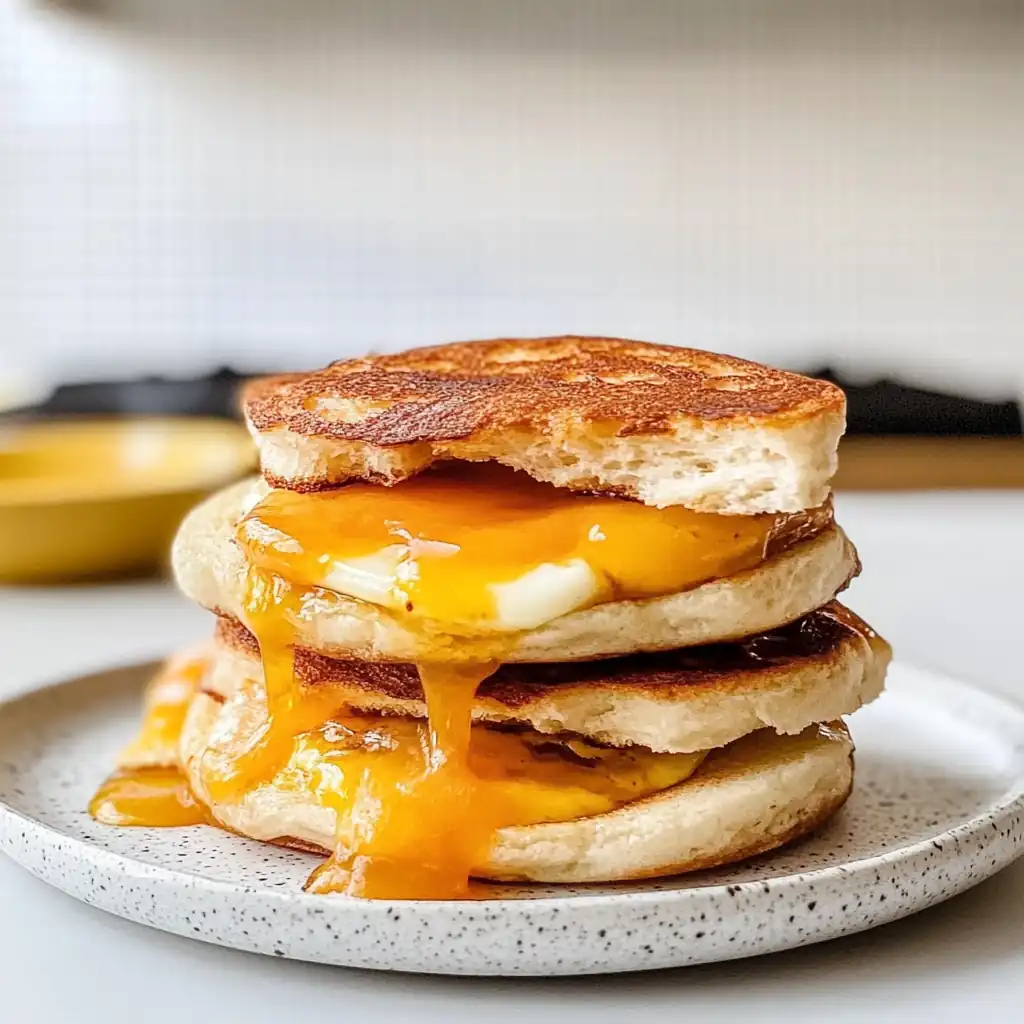
Reheating should always be done with a toaster or a hot skillet to restore the exterior crunch. Avoid the microwave, as it will make the bread rubbery and soft; instead, a quick toast brings back the original texture and warms the center perfectly.
1Use a serrated knife to saw through the muffin gently without compressing the crumb.
2Sift your flour to ensure there are no clumps and to incorporate more air.
3Measure flour a digital scale for consistent results every single time.
4Allow the muffins to cool on a wire rack to prevent the bottoms from steaming.
5Brush the tops with a tiny amount of melted butter for an extra glossy finish.
Presentation Ideas |
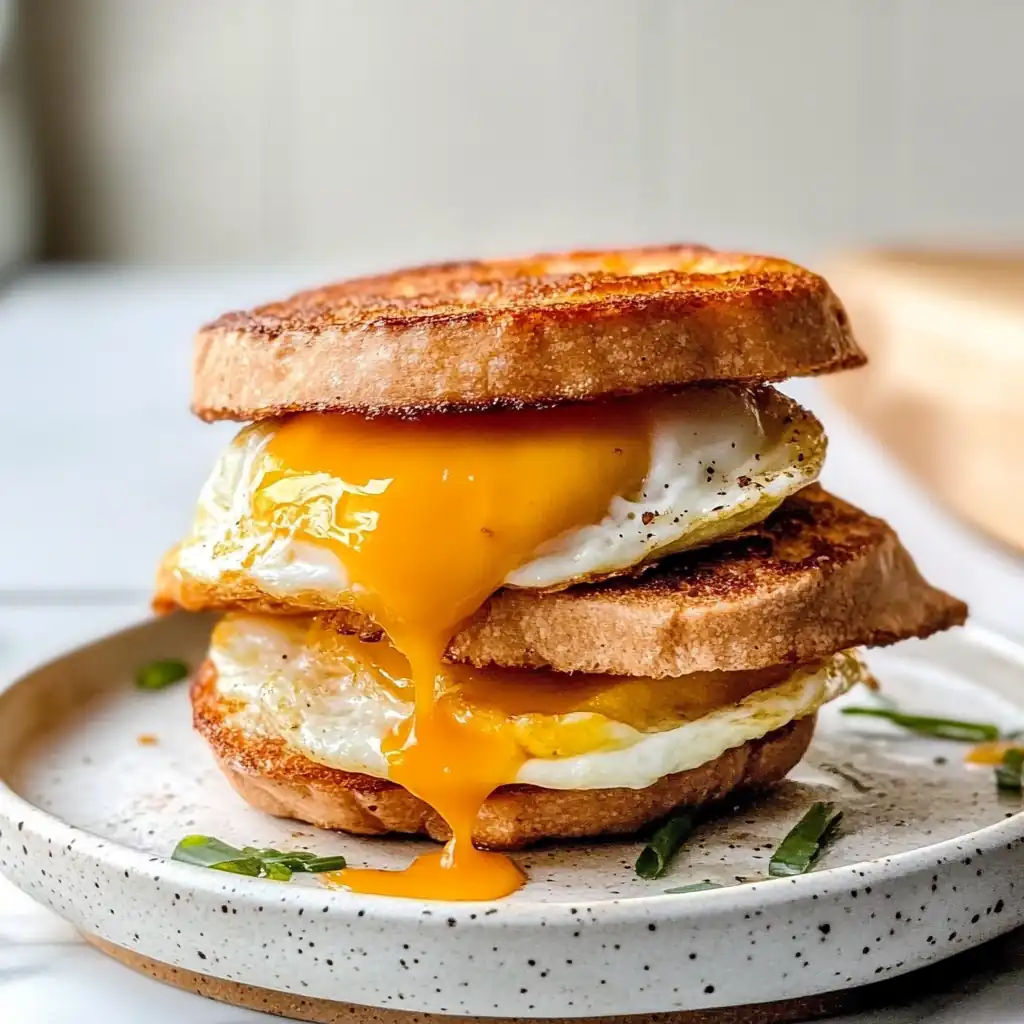
Place two toasted halves on a slate grey ceramic plate to contrast the golden crust. Top with a perfectly poached egg, a sprig of fresh chives, and a drizzle of hollandaise sauce for a professional, high-end brunch aesthetic and flavor.
Arrange a stack of muffins on a wooden board with small bowls of salted butter, strawberry preserves, and honey. Garnish the board with fresh raspberries and a few mint leaves to add vibrant color and a fresh, summery aroma. A.
FAQ |
- ●Q: Why are my English muffins flat instead of round?A: This usually happens if the dough is under-kneaded or if you over-proofed the dough during the second rise. When the gluten structure is too weak or the yeast has exhausted its food source, the dough spreads outward instead of upward when it hits the heat.
- ●Q: Can I use all-purpose flour instead of bread flour?A: You can use all-purpose flour, but the result will be a softer, more cake-like muffin. Bread flour contains more protein, which is essential for creating the strong gluten bonds that produce the characteristic chewiness and the large holes known as nooks and crannies.
- ●Q: Why did my muffins turn out too dense?A: Density is often the result of adding too much flour during the kneading process or failing to let the dough rise sufficiently. Ensure you use a scale for accuracy and provide the dough with a warm, draft-free environment to maximize the yeast’s activity.
- ●Q: How do I get the perfect ‘nooks and crannies’ interior?A: The secret is in the high protein flour and avoiding the temptation to over-handle the dough after the first rise. the discs and not degassing them too aggressively, you preserve the carbon dioxide bubbles created during fermentation.

Perfect Egg English Muffin Recipe for a Delicious Breakfast
- Prep Time: 1 hour 30 minutes
- Cook Time: 15 minutes
- Total Time: 1 hour 45 minutes
- Yield: 8 muffins 1x
- Category: Breakfast
- Method: Stovetop/Baking
- Cuisine: English/American
Description
A rich, golden-hued English muffin enriched with eggs for a tender crumb and a crisp, cornmeal-dusted exterior. Perfect for brunch and breakfast sandwiches.
Ingredients
- 3 cups bread flour
- 1 cup warm milk
- 2 ¼ tsp active dry yeast
- 2 large eggs
- 3 tbsp unsalted butter, melted
- 1 tsp salt
- Cornmeal for dusting
Instructions
- Bloom yeast in warm milk until frothy.
- Mix in eggs, melted butter, salt, and gradually add bread flour.
- Knead for 5 minutes until smooth and elastic.
- Let rise in a greased bowl for 1 hour until doubled in size.
- Divide into 8 equal rounds and shape into discs.
- Cook in a cornmeal-dusted skillet over medium heat for 5 minutes per side.