Ever wondered why some pasta tastes like a gourmet meal while others feel like a chore?
I once believed that achieving a silky, restaurant-grade sauce required hours of simmering and a degree in culinary arts. My first attempt at this dish ended in a tragedy of overcooked fish and a clumping sauce that resembled wet cement more than dinner.
This Easy Salmon Pesto Pasta with Pine Nuts is the culmination of those failures, blending fresh basil, rich pine nuts, and flaky salmon into a coherent masterpiece.
Home cooks adore this recipe because it bridges the gap between a healthy weekday meal and a celebratory feast. The brightness of the pesto cuts through the fatty richness of the fish perfectly.
Unlike store-bought pesto that often tastes like metallic oil, this version emphasizes the raw, peppery energy of fresh basil and the buttery crunch of toasted nuts.
Anyone from a rushed parent to a novice host will find this approach intuitive and rewarding. For a different green twist, try our Delightful Rich Lemony Broccoli Pesto Pasta Recipe
Let us dive into the mechanics of making this dish a success.
- ●Why You’ll Love This Recipe
- ●A Brief Background / Why This Recipe Works
- ●Perfect For Busy Weeknights and Elegant Dinners
- ●Main Ingredient Spotlight: Salmon
- ●Secondary Ingredient Spotlight: Pine Nuts
- ●Key Ingredients
- ●How to Make It
- ●Pro Tips
- ●Delicious Variations
- ●Best Ways to Serve
- ●Storage and Leftovers
- ●Frequently Asked Questions
- ●Why This Recipe Belongs in Your Weekly Rotation
- ●Final Thoughts
There are many reasons why this particular combination of ingredients creates a dining experience that feels expensive without the high price tag.
- ●The preparation time is minimal, taking you from pantry to plate in under 30 minutes.
- ●It provides a balanced nutritional profile with healthy fats, protein, and complex carbohydrates.
- ●The toasted pine nuts add a textural contrast that prevents the pasta from feeling one-dimensional.
- ●Fresh basil provides a natural aromatic lift that awakens the senses immediately.
- ●Salmon flakes easily into the pasta, ensuring a bit of protein in every single bite.
- ●The sauce emulsifies naturally, creating a creamy coating without needing heavy cream.
- ●It utilizes a small number of pots, which means significantly less cleanup after dinner.
- ●The flavor profile is universally appealing, making it a hit with picky eaters and foodies alike.
- ●It transforms a simple box of pasta into a sophisticated, high-protein meal.
Once you taste the synergy of the salty parmesan and the sweet, nutty pine nuts, you will never go back to plain marinara.
A Brief Background / Why This Recipe Works |
This recipe operates on the principle of flavor layering. We start with the heavy, savory notes of the salmon and parmesan, then slice through them with the acidity of lemon and the freshness of basil.
The chemistry here is all about emulsification. By using a splash of starchy pasta water, the fats in the pesto and the oils from the salmon bind together into a glossy glaze that clings to the noodles rather than sliding off.
Pine nuts provide the earthy base that anchors the dish. Without them, the pesto can feel too “grassy,” but the toasted nut oils add a depth of flavor that mimics the richness of a slow-cooked sauce.
It is a masterclass in contrast and balance.
Perfect For Busy Weeknights and Elegant Dinners |
On a hectic Tuesday, this meal is a lifesaver because it requires very little active monitoring. You can boil the pasta while the salmon sears, meaning the entire process is streamlined and efficient.
For those who enjoy meal prepping, the components can be prepared in advance. You can make a large batch of pesto on Sunday, which drastically reduces the assembly time during the week.
If you are hosting a small gathering, this dish scales beautifully. It looks stunning on a platter and suggests a level of culinary effort that far exceeds the actual time spent in the kitchen.
Main Ingredient Spotlight: Salmon |
Salmon is the star of this show because of its high fat content and distinct flake. Unlike white fish, which can disappear into a heavy sauce, salmon holds its own against the punchy flavors of pesto.
The omega-3 fatty acids in the fish not only provide health benefits but also contribute to a luxurious mouthfeel. When seared correctly, the exterior develops a caramelized crust that provides a smoky counterpoint to the fresh herbs.
Secondary Ingredient Spotlight: Pine Nuts |
Pine nuts are essential for providing the “soul” of the pesto. They contain a high concentration of pinolenic acid, which gives them a uniquely buttery and creamy flavor profile when crushed.
Toasting these nuts is a non-negotiable step. This process triggers the Maillard reaction, transforming the raw, mild nut into a fragrant, golden treasure that adds a toasted, woody dimension to the meal.
Key Ingredients |
Every component in this dish serves a specific chemical or flavor purpose to ensure the final result is balanced.
- ●Salmon Fillets — Provides the primary protein and healthy fats that enrich the sauce.
- ●Fresh Basil — Adds the essential aromatic, peppery greenery that defines the pesto flavor.
- ●Pine Nuts — Offers a buttery crunch and a nutty depth of flavor.
- ●Parmesan Cheese — Delivers the saltiness and umami needed to enhance the other ingredients.
- ●Olive Oil — Acts as the emulsifier that carries the flavors across the palate.
- ●Garlic — Introduces a sharp, pungent kick that balances the richness of the fish.
- ●Pasta — Serves as the neutral canvas that absorbs the vibrant pesto sauce.
- ●Lemon Juice — Provides the citric acidity required to cut through the heavy fats.
 How to Make It |
Follow these steps carefully to ensure your salmon stays moist and your sauce remains creamy.
- Toast the pine nuts: To unlock the deep, nutty oils and prevent the nuts from tasting raw, toast them in a dry skillet over medium heat for 3-5 minutes until golden brown. Be careful not to walk away, as they burn in seconds.
- Prepare the pesto: To ensure a smooth texture that coats the pasta evenly, blend the basil, toasted pine nuts, garlic, parmesan, and olive oil in a food processor until combined but still slightly textured. Over-processing can heat the basil and turn it brown.
- Boil the pasta: To create a sauce that actually sticks, cook your pasta in heavily salted water and reserve one cup of the starchy cooking water before draining. Without this liquid, the pesto will likely separate or feel too dry.
- Sear the salmon: To achieve a crispy exterior while keeping the center tender, heat oil in a pan over medium-high and cook the fillets for about 4-5 minutes per side. Look for the fish to release easily from the pan as a sign that it is ready to flip.
- Flake the fish: To distribute the protein evenly throughout the dish, remove the salmon from the pan and gently break it into bite-sized chunks using a fork. Avoid shredding it too small, as you want visible, juicy pieces of fish.
- Emulsify the sauce: To combine the elements into a glossy glaze, toss the cooked pasta with the pesto and a splash of the reserved pasta water over low heat. Stir constantly until the sauce is creamy and clings to every strand of noodle.
- Final Fold: To prevent the salmon from overcooking and becoming rubbery, gently fold the flaked fish into the pasta at the very last second. This preserves the delicate texture of the salmon.
1A few small adjustments can elevate this meal from good to unforgettable.
- ●2Room Temperature Salmon: Let your fish sit out for 15 minutes before cooking to ensure an even sear without a raw center.
- ●3Cold Basil: Keep your basil leaves in the fridge or use a cold blender jar to prevent the herbs from oxidizing and turning dark.
- ●4Pasta Water Secret: Always add the pasta water slowly; too much will make the sauce watery, while too little will leave it clumpy.
- ●5Salt Control: Remember that parmesan is naturally salty, so taste your pesto before adding any extra salt to the dish.
- ●6Acid Balance: If the dish feels too “heavy,” add a fresh squeeze of lemon juice right before serving to brighten the flavors.
7If you are looking for more inspiration, try our Delightful Rich Lemony Broccoli Pesto Pasta Recipe
Delicious Variations |
Depending on your dietary needs or what is in your pantry, you can easily tweak this recipe.
- ●Vegan Alternative: Swap the parmesan for nutritional yeast and the salmon for pan-seared tofu or chickpeas.
- ●Nut-Free Version: Replace the pine nuts with toasted sunflower seeds or pumpkin seeds for a similar crunch.
- ●Added Greens: Stir in a handful of fresh ba frozen peas during the last minute of pasta boiling.
- ●Zesty Twist: Add a teaspoon of lemon zest into the pesto for an extra punch of citrus brightness.
- ●Different Pasta: Use linguine or farfalle instead of spaghetti to change the texture and how the sauce clings.
No matter which version you choose, the core balance of fat and acid remains the same.
Best Ways to Serve |
Presentation is half the battle when it comes to making a meal feel special.
- ●Garnish with a sprinkle of toasted pine nuts and a few fresh basil leaves for a professional look.
- ●Serve alongside a crisp arugula salad with a light balsamic vinaigrette to contrast the richness.
- ●Pair with a chilled glass of Sauvignon Blanc or a light Pinot Grigio to complement the salmon.
- ●Use warmed bowls to keep the pasta at the ideal temperature for longer.
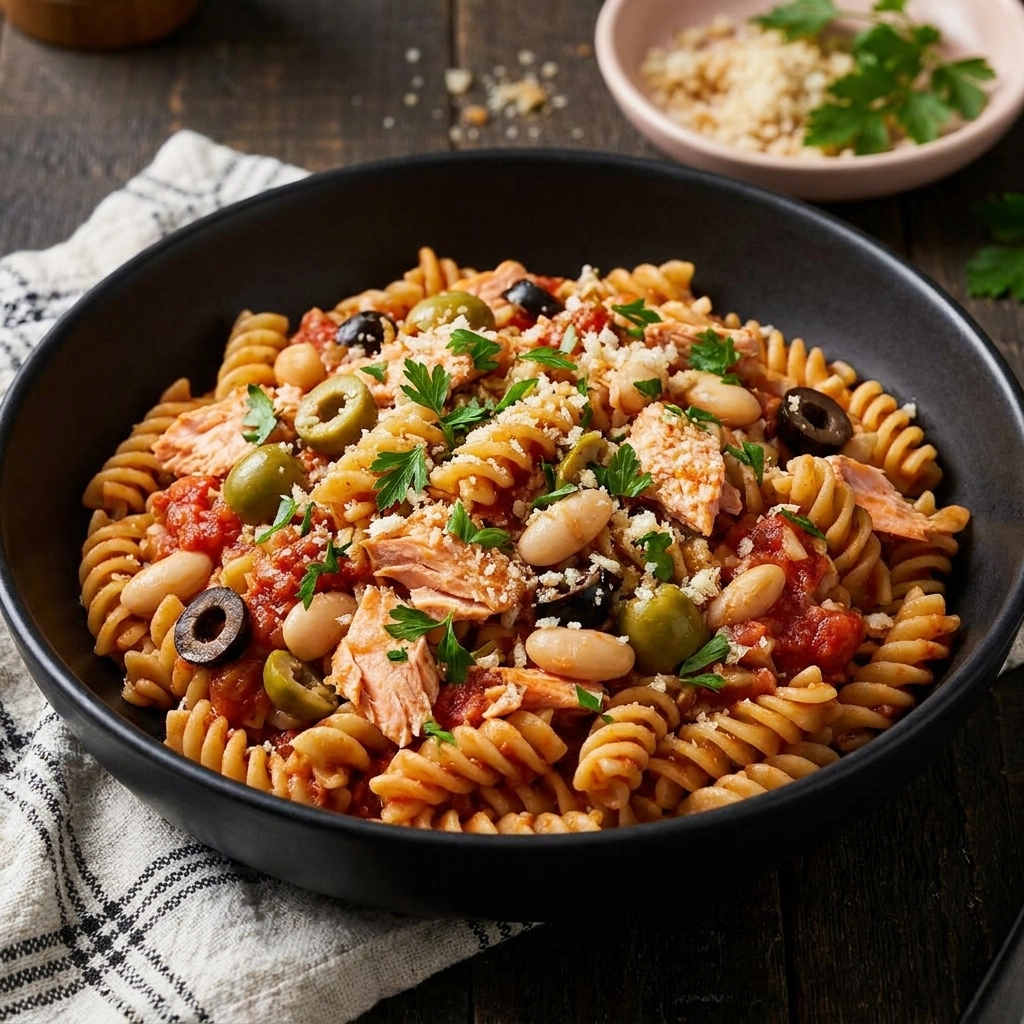
The visual contrast of the bright green pesto against the pink salmon makes this dish naturally appetizing. It is a feast for the eyes as much as the palate.
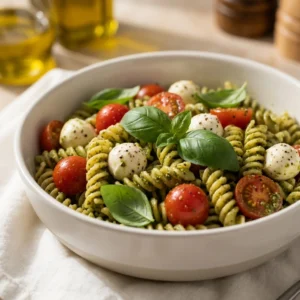
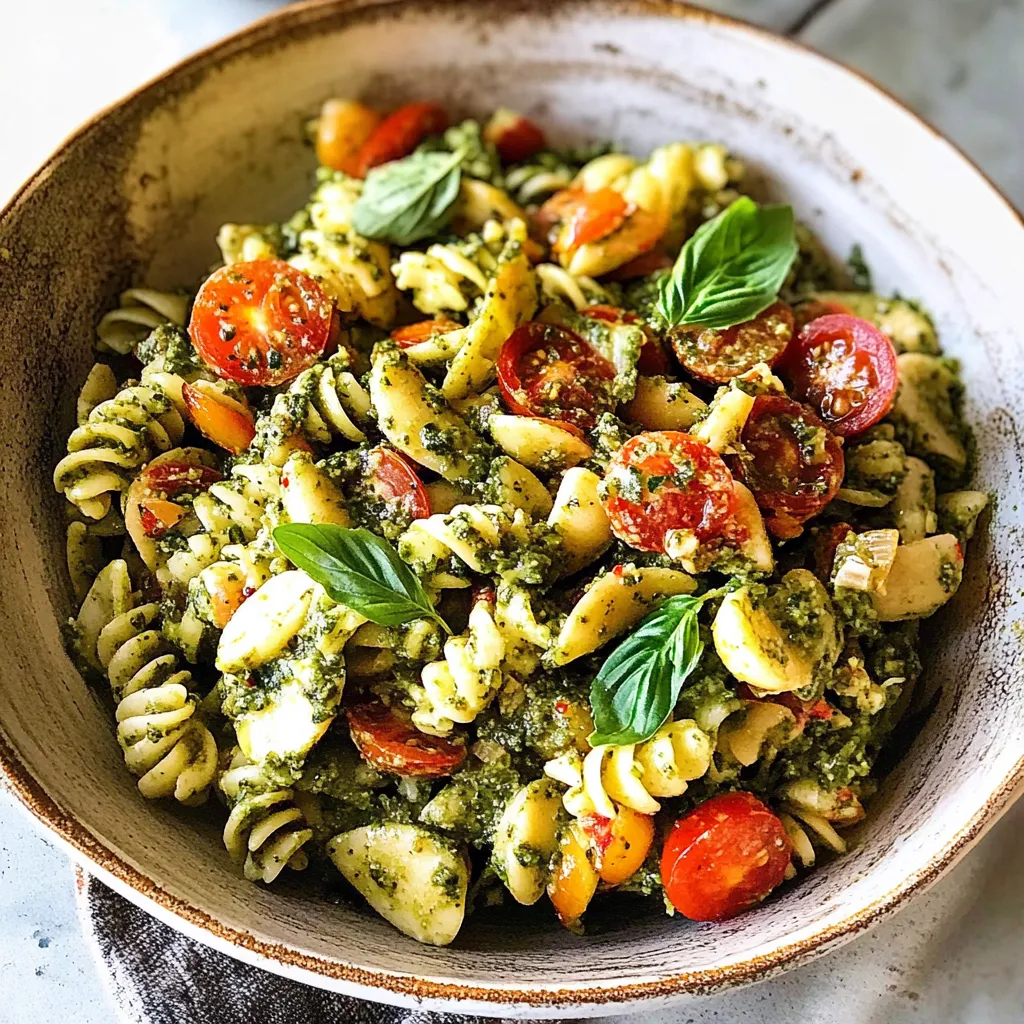
For those wanting a lighter approach, serving this as a cold pasta salad is also an option. You can find more ideas in our Pesto Pasta Salad Exquisite 1.Webp
Storage and Leftovers |
Refrigerating
Store the pasta in an airtight container for up to 3 days. To prevent the pesto from separating, add a tiny splash of water or olive oil before sealing.
Reheating
Reheat in a skillet over medium heat for 3-5 minutes. Avoid the microwave if possible, as it can overcook the salmon and make the pesto taste bitter.
Freezing
Freezing the completed pasta is not recommended as the texture of the salmon and pesto will degrade. However, you can freeze the homemade pesto for up to 3 months in small portions.
Frequently Asked Questions |
- ●Q: Can I use store-bought pesto instead of making my own?A: Yes, you can use a high-quality store-bought pesto if you are short on time. However, home-made pesto is significantly more vibrant and lacks the preservatives found in jars, which allows the natural flavor of the salmon to shine without being overwhelmed by acidity.
- ●Q: What is the best type of salmon to use for this pasta?A: Atlantic salmon or King salmon are the best choices because they have a higher fat content. This ensures the fish remains moist and tender even after being tossed with hot pasta, whereas leaner fish like sockeye can sometimes dry out too quickly.
- ●Q: How do I stop my pesto from turning brown?A: Oxidation occurs when the basil is exposed to air and heat. To prevent this, you can blanch your basil leaves in boiling water for two seconds and immediately plunge them into ice water before blending, which locks in the bright green chlorophyll.
- ●Q: Can I substitute pine nuts with another nut?A: Absolutely. Walnuts or almonds are excellent substitutes that provide a similar earthiness. While pine nuts are traditional, walnuts offer a slightly more robust flavor that pairs wonderfully with the saltiness of the parmesan cheese and the richness of the fish.
- ●Q: Is this recipe suitable for a gluten-free diet?A: Yes, as long as you substitute the traditional pasta with a high-quality gluten-free alternative such as brown rice pasta or chickpea noodles. Just be sure to follow the specific boiling instructions for your gluten-free brand to avoid a mushy texture.
Why This Recipe Belongs in Your Weekly Rotation |
Integrating this meal into your routine solves the eternal struggle between healthy eating and flavor. It provides a dense hit of nutrients without feeling like a restrictive “diet” meal.
The versatility of the dish means it can adapt to your mood. Whether you need a 20-minute win on a Monday or a fancy date-night dinner on a Friday, this recipe delivers consistently.
It is an investment in your culinary confidence. Once you master the art of the pesto emulsion and the salmon sear, you have a foundation for a dozen other variations.
Final Thoughts |
This Salmon Pesto Pasta with Pine Nuts is a harmonious blend of fresh herbs, buttery nuts, and succulent fish. It transforms simple ingredients into a sophisticated meal through the power of basic culinary science.
You should make this recipe because it proves that healthy eating does not have to be bland or time-consuming. It is a reliable way to bring restaurant-quality flavors into your own home with minimal stress.
Grab your apron and let the aroma of fresh basil and toasted nuts fill your kitchen tonight!
Easy Salmon Pesto Pasta with Pine Nuts
- Prep Time: 10 minutes
- Cook Time: 20 minutes
- Total Time: 30 minutes
- Yield: 4 servings 1x
- Category: Dinner
- Method: Sautéing
- Cuisine: Italian-Fusion
Description
A luxurious and healthy pasta dish featuring pan-seared salmon, homemade basil pesto, and the buttery crunch of toasted pine nuts.
Ingredients
- 1 lb Salmon fillets
- 12 oz Pasta (linguine or spaghetti)
- 2 cups Fresh basil leaves
- 1/3 cup Pine nuts
- 1/2 cup Parmesan cheese, grated
- 1/2 cup Extra virgin olive oil
- 3 cloves Garlic
- 1 Lemon (juiced)
- Salt and black pepper to taste
Instructions
- Toast pine nuts in a dry skillet over medium heat until golden brown.
- Blend basil, toasted pine nuts, garlic, parmesan, and olive oil until combined.
- Cook pasta in salted water according to package directions; reserve 1 cup of pasta water before draining.
- Season salmon with salt and pepper and sear in a pan for 4-5 minutes per side.
- Remove salmon and break into bite-sized chunks.
- Toss pasta with pesto and a splash of pasta water over low heat until creamy.
- Gently fold in the flaked salmon and serve immediately with a squeeze of lemon.