Homemade bread often feels intimidating because of the physical labor involved in kneading and the strict timing of rising.
These no-knead slow cooker dinner rolls remove those hurdles by using a crockpot to create a warm, consistent environment for the dough to expand.
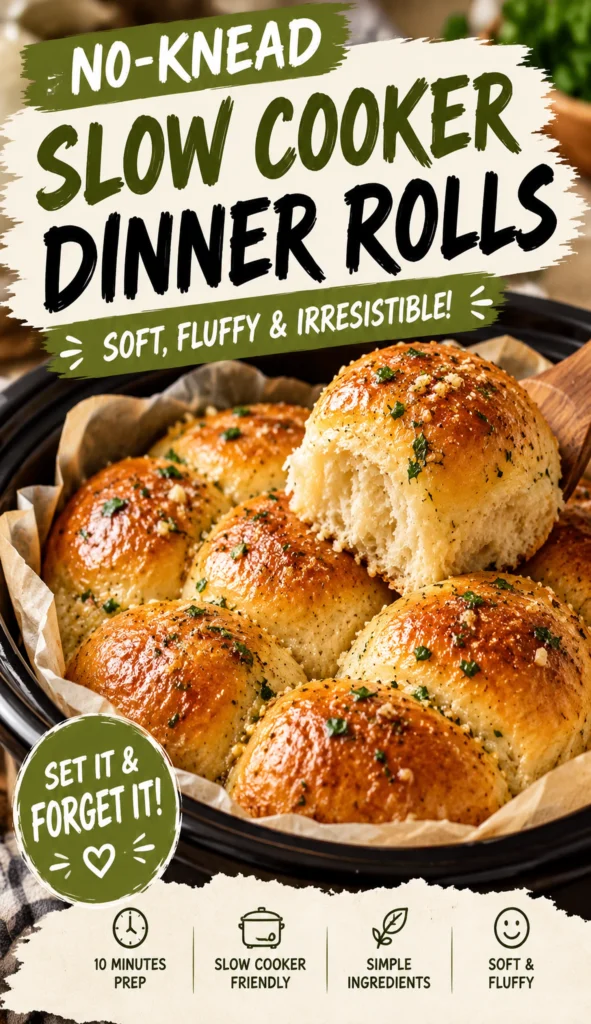
The result is a roll with a soft, pillowy interior and a lightly golden, buttery crust.
Unlike store-bought rolls, these have a fresh yeast aroma and a rich flavor that doesn’t rely on heavy preservatives.
This method is ideal for anyone who wants the taste of artisan baking without spending hours in the kitchen.
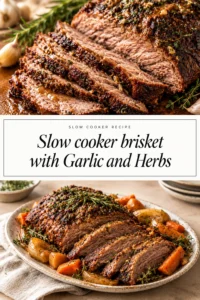
The slow cooker handles the first rise, allowing you to focus on other dishes like Tender Slow Cooker Bbq Beef Brisket Easy Crockpot Dinner Ideas while the dough develops.
- ●Why You’ll Love This Recipe
- ●A Brief Background on the Slow Cooker Method
- ●Perfect For Busy Weeknights and Holiday Feasts
- ●The Power of Bread Flour
- ●The Role of Unsalted Butter
- ●Key Ingredients
- ●How to Make It
- ●Pro Tips
- ●Delicious Variations
- ●Best Ways to Serve
- ●Storage and Leftovers
- ●Frequently Asked Questions
- ●Why This Recipe Belongs in Your Weekly Rotation
- ●Final Thoughts
This approach to yeast rolls simplifies the baking process need for a stand mixer or manual kneading.
- ●Zero kneading required to develop the gluten structure.
- ●The slow cooker provides a stable temperature for the yeast.
- ●Active prep time is minimal, leaving more time for other tasks.
- ●Consistent results regardless of the temperature in your house.
- ●A rich, buttery flavor that rivals professional bakery rolls.
- ●Flexible timing for the first rise.
- ●Easily scalable for large crowds.
- ●Freshly baked scent that fills the entire home.
- ●Much softer texture than traditional quick breads.
These rolls provide the satisfaction of homemade baking with a fraction of the effort.
A Brief Background on the Slow Cooker Method |
Traditional bread making requires a warm, draft-free spot for dough to rise. Many home kitchens are too cold in the winter or too humid in the summer, leading to unpredictable rise times.
The slow cooker solves this a makeshift proofing box. warm setting, the yeast is activated and kept at an optimal temperature, which encourages the dough to expand efficiently without over-proofing.
Because the dough sits in a moist, warm environment, it develops a tender crumb. This method allows the flour to fully hydrate, which replaces the need for mechanical kneading to build strength in the dough.
This technique transforms a labor-intensive process into a passive one, making homemade bread accessible for every skill level.
Perfect For Busy Weeknights and Holiday Feasts |
On a typical weeknight, finding an hour to knead and rise bread is unrealistic. These rolls can be started in the morning or during a lunch break, so they are ready for the oven .
They pair exceptionally well with hearty meals like Rich Slow Cooker Creamy Ranch Chicken Recipe Easy Crockpot Dinner Ideas, providing a way to soak up extra sauces.
During holidays, oven space is a premium. Since the first rise happens in the crockpot, you keep your counter space clear and only use the oven for the final bake.
Whether you are hosting a large family gathering or just want a cozy side for a Tuesday night, this method scales to fit the occasion.
The Power of Bread Flour |
Bread flour is the primary structural component of these rolls. It contains a higher protein content than all-purpose flour, which means it creates more gluten when mixed with water.
This extra protein is what gives the rolls their characteristic chew and allows them to hold air bubbles, resulting in a higher rise and a lighter interior. Using bread flour ensures the rolls don’t collapse or become too dense during the baking process.
The Role of Unsalted Butter |
Butter provides the fat necessary to tenderize the dough. It coats the gluten strands, preventing them from becoming too tough, which results in a softer bite.
Beyond texture, butter adds a rich, creamy flavor that balances the earthiness of the yeast. Using unsalted butter allows for precise control over the salt levels in the recipe, ensuring the rolls are seasoned perfectly without being overly salty.
Key Ingredients |
Each component in this recipe serves a specific purpose in creating a fluffy, gold-crusted roll.
- ●Bread Flour — provides the structural strength and protein for a high rise.
- ●Instant Yeast — the leavening agent that makes the dough expand.
- ●Warm Water — activates the yeast and hydrates the flour.
- ●Unsalted Butter — adds richness and creates a soft, tender crumb.
- ●Sugar — feeds the yeast and adds a hint of sweetness.
- ●Salt — regulates the yeast activity and enhances the overall flavor.
- ●Egg — adds structure and helps the rolls brown in the oven.
How to Make It |
Following these steps ensures the yeast remains active and the dough achieves the correct consistency for baking.
- Prepare the yeast mixture: Combine warm water, sugar, and instant yeast in a small bowl. Let it sit for about five minutes until it becomes foamy, which confirms the yeast is alive and ready to work.
- Combine dry ingredients: In a large bowl, whisk together the bread flour and salt. This ensures the salt is evenly distributed so it doesn’t kill the yeast in one concentrated spot.
- Mix the wet ingredients: Stir the melted butter and beaten egg into the foamy yeast mixture. Incorporate these now to ensure a smooth emulsion before they hit the flour.
- Form the dough: Pour the wet mixture into the dry ingredients and stir with a wooden spoon until a shaggy dough forms. Stop mixing as soon as the flour is moistened to avoid overworking the dough.
- Slow cooker rise: Place the dough into a greased slow cooker and set it to the warm setting for 60 to 90 minutes. The goal is for the dough to double in size; look for a puffy, airy appearance.
- Shape the rolls: Gently punch down the dough to release excess gas and divide it into equal portions. Roll each piece into a smooth ball to create a uniform shape for even baking.
- Final proof: Place the balls in a greased baking pan and let them rest for 20 minutes. This short rest allows the rolls to expand again, ensuring they are light rather than dense.
- Bake until golden: Bake in a preheated oven until the tops are golden brown and the bottoms sound hollow when tapped. Avoid overbaking, as this will dry out the soft interior.
1Small adjustments in technique can lead to a significantly better final product.
- ●2Check water temperature: Ensure the water is between 105°F and 115°F. Water that is too hot will kill the yeast, and water that is too cold will delay the rise.
- ●3Grease the crockpot well: Use a generous amount of butter or non-stick spray in the slow cooker to prevent the dough from sticking during the rise.
- ●4Avoid over-mixing: Stir until the flour is just incorporated. Over-mixing at this stage can make the rolls tough instead of fluffy.
- ●5Use a kitchen scale: For perfectly uniform rolls, weigh the dough portions before shaping them.
- ●6Brush with butter: Apply melted butter to the tops immediately after they come out of the oven for a professional shine and extra flavor.
Delicious Variations |
These rolls serve as a blank canvas for different flavors depending on the meal you are serving.
- ●Garlic Herb Rolls: Add one teaspoon of garlic powder and a tablespoon of dried parsley to the flour mixture.
- ●Honey Butter Rolls: Substitute the granulated sugar with honey for a deeper, floral sweetness.
- ●Cheesy Rolls: Fold in shredded sharp cheddar cheese during the shaping process for savory pockets of melted cheese.
- ●Cinnamon Swirls: After shaping, roll the dough balls in a mixture of cinnamon and sugar before the final proof.
- ●Whole Wheat Twist: Swap half of the bread flour for whole wheat flour for a heartier, nuttier taste.
Experimenting with these additions allows you to match the rolls to your main course, whether it is a creamy pasta or a savory roast.
Best Ways to Serve |
While these are excellent on their own, they elevate several different types of meals.
- ●Serve warm with a side of salted whipped butter or honey.
- ●Use them as the perfect side for Creamy Crockpot Chicken Pasta Easy Slow Cooker Dinner Ideas For Families
- ●Pair them with a hearty beef stew or a slow-cooked pot roast.
- ●Slice them in half and toast them with garlic butter for a quick appetizer.
For the best experience, serve the rolls within 30 minutes of baking while the interior is still steaming and soft.
If serving for a crowd, keep them in a covered basket lined with a cloth napkin to retain heat and moisture.
Storage and Leftovers |
Refrigerating
Store leftover rolls in an airtight container or a sealed zip-top bag in the refrigerator for up to 5 days. Keep them away from strong-smelling foods to prevent the bread from absorbing other scents.
Reheating
To restore the fresh-baked texture, wrap individual rolls in foil and heat them in a 350°F oven for 5 to 10 minutes. Alternatively, microwave them for 15 seconds wrapped in a damp paper towel to steam the crumb.
Freezing
Freeze rolls in a single layer on a baking sheet before transferring them to a freezer bag for up to 3 months. This prevents them from clumping together, making it easy to thaw only the amount needed.
Frequently Asked Questions |
- ●Q: Can I use all-purpose flour instead of bread flour?
A: Yes, you can use all-purpose flour, but the rolls will be slightly denser and may not rise as high. Bread flour has more protein, which creates a stronger gluten network for a fluffier texture. - ●Q: What should I do if my dough isn’t rising in the slow cooker?
A: Check the temperature of your water and the expiration date of your yeast. If the dough is cold, the yeast may be dormant; ensure the slow cooker is truly on the warm setting and covered. - ●Q: Can I make this dough a day in advance?
A: You can mix the dough and let it rise in the refrigerator overnight. This slow fermentation often develops a deeper flavor. Just let the dough come to room temperature before shaping and baking. - ●Q: Why are my rolls too dense or heavy?
A: This usually happens if the dough was under-proofed or if too much flour was added during the mixing stage. Ensure the dough doubles in size in the slow cooker before shaping. - ●Q: Do I have to use the slow cooker for the first rise?
A: No, you can use any warm spot, such as an oven with the light turned on. The slow cooker is simply a convenient way to maintain a steady, warm temperature.
Why This Recipe Belongs in Your Weekly Rotation |
Most people avoid homemade bread because it feels like a chore. This recipe removes the friction, making the process of baking fresh rolls almost as easy as using a boxed mix, but with far superior ingredients.
Integrating these rolls into your routine adds a level of comfort to any dinner. They pair perfectly with a variety of mains, from Ultimate Slow Cooker Garlic Butter Beef Bites And Potatoes Easy Crockpot Dinner to a simple bowl of soup.
Final Thoughts |
These no-knead slow cooker dinner rolls combine the convenience of modern appliances with the timeless appeal of fresh yeast bread. crockpot handle the proofing, you get a soft, buttery roll without the effort of kneading.
Adding this recipe to your repertoire means you never have to settle for store-bought rolls again. It is an accessible way to upgrade your side dishes and impress guests with minimal active work.
Gather your ingredients and let your slow cooker do the heavy lifting for a cozy, homemade treat.

No-Knead Slow Cooker Dinner Rolls: The Easiest Homemade Yeast Rolls | Crockpot Rolls
- Prep Time: 20 minutes
- Cook Time: 2 hours
- Total Time: 2 hours 20 minutes
- Yield: 12 rolls 1x
- Category: Bread
- Method: Slow Cooker & Baking
- Cuisine: American
Description
Soft, buttery, and completely no-knead. These dinner rolls use a slow cooker for the first rise, resulting in a pillowy texture and golden crust.
Ingredients
- 3 cups bread flour
- 1 packet (2 1/4 tsp) instant yeast
- 1 cup warm water (105-115°F)
- 1/2 cup unsalted butter, melted
- 2 tablespoons granulated sugar
- 1 teaspoon salt
- 1 large egg, beaten
Instructions
- Combine warm water, sugar, and instant yeast in a bowl; let sit for 5 minutes until foamy.
- Whisk bread flour and salt together in a large mixing bowl.
- Stir the melted butter and beaten egg into the yeast mixture.
- Pour the wet ingredients into the flour and stir until a shaggy dough forms.
- Place dough in a greased slow cooker on the warm setting for 60-90 minutes until doubled in size.
- Punch down the dough and divide into 12 equal portions, rolling each into a smooth ball.
- Place rolls in a greased baking pan and let rise for another 20 minutes.
- Bake at 350°F (175°C) for 15-20 minutes until golden brown.
- Brush with melted butter immediately after removing from the oven.