Finding a dinner that feels sophisticated but requires minimal effort is a common struggle on busy weeknights. Many people avoid cooking fish at home because they fear overcooking the delicate proteins or dealing with a messy kitchen.
This baked white fish with lemon and herbs provides a streamlined solution. It uses a simple roasting method that keeps the fish moist while infusing it with bright, citrusy notes.
Readers appreciate this recipe because it relies on pantry staples to create a restaurant-quality result. The balance of acidity from the lemon and the earthiness of the herbs creates a clean flavor profile.
Unlike store-bought pre-marinated fillets, which often contain excessive sodium and preservatives, this version allows you to control the seasoning and freshness of the ingredients.
This dish is ideal for those seeking a lean protein option that does not sacrifice flavor. It pairs well with a variety of sides, from steamed vegetables to Garlic Mashed Potatoes With Parmesan And Herbs Creamy Holiday Side Dish
The following guide explains how to achieve the perfect flake and zest every time you bake.
- ●Why You’ll Love This Recipe
- ●A Brief Background / Why This Recipe Works
- ●Perfect For Healthy Weeknight Dinners
- ●White Fish Spotlight
- ●Lemon and Herb Spotlight
- ●Key Ingredients
- ●How to Make It
- ●Pro Tips
- ●Delicious Variations
- ●Best Ways to Serve
- ●Storage and Leftovers
- ●Frequently Asked Questions
- ●Why This Recipe Belongs in Your Weekly Rotation
- ●Final Thoughts
This preparation method emphasizes efficiency and freshness, making it a reliable staple for any home cook.
- ●The cooking process is hands-off once the fish enters the oven.
- ●It uses minimal cookware, reducing the time spent on cleanup.
- ●The ingredients are widely available at any local grocery store.
- ●White fish is a lean protein that feels light yet satisfying.
- ●Fresh herbs provide a burst of color and aromatic appeal.
- ●The lemon prevents the fish from tasting bland or flat.
- ●Cooking times are short, meaning dinner is ready in under 30 minutes.
- ●The recipe is easily scalable for large family gatherings.
- ●It is naturally low in calories while remaining nutrient-dense.
These factors combine to create a meal that fits seamlessly into a balanced lifestyle.
A Brief Background / Why This Recipe Works |
White fish, such as cod, tilapia, or halibut, has a mild flavor and a delicate structure. Because these fillets lack the heavy fats found in salmon, they can dry out quickly if exposed to high heat for too long.
Baking at a moderate temperature allows the heat to penetrate the thickest part of the fillet without searing the edges. Adding a fat source, like olive oil or butter, creates a protective barrier that locks in moisture.
The addition of lemon juice provides more than just flavor; the acidity helps to brighten the mild taste of the fish and cuts through the richness of the oil. Fresh herbs add a layer of complexity, turning a basic protein into a complete dish.
This combination of temperature control and flavor balancing is what makes the recipe consistent.
Perfect For Healthy Weeknight Dinners |
For those who return home late from work, this recipe is a lifesaver. The preparation takes only a few minutes, and the oven does the heavy lifting, allowing you to multitask or unwind while the fish cooks.
It also functions well for meal prep. You can season the fillets in advance and keep them in the refrigerator, then simply slide them into the oven when you are ready to eat.
Family dinners benefit from the mild flavor of white fish, which is generally more acceptable to picky eaters than stronger-tasting seafood. It provides a healthy alternative to heavier pasta dishes like Cheesy Baked White Spaghetti The Ultimate Comfort Casserole Easy Pasta Bake
White Fish Spotlight |
White fish serves as the canvas for this recipe. Whether you choose cod for its flaky texture, tilapia for its affordability, or halibut for its firmness, these fish provide a clean, mild base that absorbs seasonings easily.
The protein is highly digestible and rich in iodine and selenium. During the baking process, the flesh transforms from translucent to an opaque white, indicating that the proteins have set and the fish is cooked through.
Lemon and Herb Spotlight |
Lemon is the essential aromatic component here. The zest provides a concentrated citrus oil that smells fresh, while the juice adds a sharp tang that wakes up the palate.
Fresh herbs, particularly parsley and dill, contribute a grassy, bright note. Parsley adds a clean finish, and dill provides a slight anise-like quality that traditionally pairs well with seafood. Using fresh herbs rather than dried ones prevents a grainy texture and ensures a more vibrant flavor.
Key Ingredients |
Selecting high-quality ingredients is the most important step in ensuring the final dish tastes fresh.
- ●White fish fillets — the lean, mild protein base that becomes flaky when heated.
- ●Olive oil — a rich fat that prevents sticking and helps distribute flavors.
- ●Lemon — provides both aromatic zest and acidic juice to brighten the dish.
- ●Fresh parsley — adds a bright green color and a clean, peppery taste.
- ●Fresh dill — contributes a distinct, herbal aroma that complements seafood.
- ●Garlic — provides a pungent, savory depth to the herb mixture.
- ●Salt and black pepper — fundamental seasonings that enhance the natural flavors of the fish.
How to Make It |
Follow these steps to ensure the fish remains moist and seasoned evenly.
- Prepare the oven and pan: Preheat your oven to 400°F (200°C). Line a baking sheet with parchment paper or lightly grease a baking dish. This prevents the fillets from sticking and makes cleanup easier.
- Dry the fish: Pat the fish fillets dry with paper towels on both sides. Removing excess surface moisture is critical; otherwise, the fish will steam rather than roast, which prevents the seasonings from adhering properly.
- Create the herb butter or oil: In a small bowl, combine the olive oil, minced garlic, chopped parsley, and chopped dill. Stir in the lemon zest and a pinch of salt and pepper. Mixing the herbs into the oil first ensures they are evenly distributed across every fillet.
- Season the fillets: Place the fish in the prepared pan. Spoon the herb mixture over the top of each piece, using the back of the spoon to spread it in an even layer. Season the tops with an additional sprinkle of salt and pepper.
- Add the lemon slices: Arrange thin slices of lemon directly on top of the herb coating. These slices protect the fish from direct heat and release their juices into the meat as they roast.
- Bake the fish: Place the pan in the center of the oven. Bake for 12 to 15 minutes, depending on the thickness of the fillets. Look for the fish to become opaque and flake easily with a fork at the thickest part. Avoid overcooking, as white fish can become rubbery very quickly.
- Rest and serve: Remove the pan from the oven and let the fish rest for 2 to 3 minutes. Drizzle a small amount of fresh lemon juice over the top before serving to add a final layer of brightness.
1These small adjustments can make a significant difference in the final texture and taste.
- ●2Check for thickness: If your fillets vary in size, place the thicker pieces toward the center of the pan and the thinner ones toward the edges to ensure they finish at the same time.
- ●3Use a fish spatula: To avoid breaking the delicate flakes when serving, use a wide, thin fish spatula rather than a standard fork.
- ●4Avoid over-marinating: Do not let the fish sit in lemon juice for too long before baking. The acid can begin to “cook” the proteins (like ceviche), which can result in a mushy texture.
- ●5Fresh vs. Frozen: If using frozen fillets, thaw them completely in the refrigerator overnight. Baking partially frozen fish leads to uneven cooking and excess water in the pan.
- ●6Room temperature: Let the fish sit at room temperature for about 10 minutes before baking. This helps the fish cook more evenly from edge to center.
Delicious Variations |
You can easily adapt this recipe to suit different dietary needs or flavor preferences.
- ●Mediterranean Style: Add halved cherry tomatoes and Kalamata olives around the fish before baking for a salty, tangy twist.
- ●Creamy Garlic Version: Stir a tablespoon of melted butter or a splash of heavy cream into the herb mixture for a richer sauce.
- ●Spicy Kick: Add a pinch of red pepper flakes or a dash of paprika to the seasoning for a subtle heat.
- ●Pesto Swap: Replace the oil and herbs with a thin layer of basil pesto for an intense, nutty flavor.
- ●Citrus Blend: Use a combination of lime and lemon for a more complex, tropical acidity.
These variations allow you to keep the core cooking method while changing the flavor profile to match your mood.
Best Ways to Serve |
Because the fish is light, it pairs best with sides that provide contrast in texture or flavor.
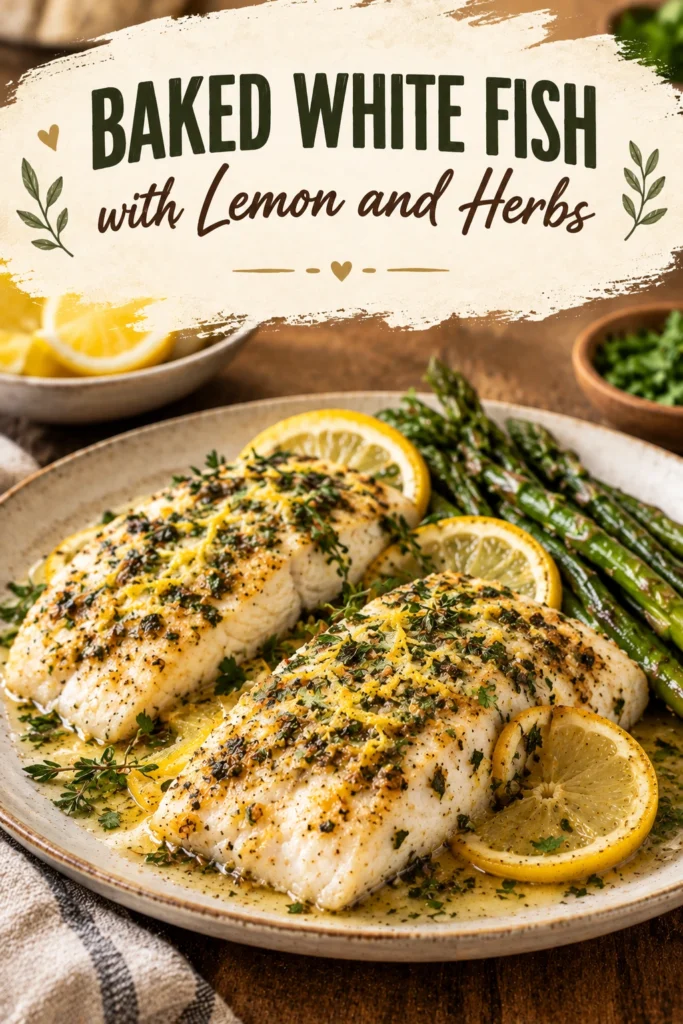
- ●Steamed Asparagus: The snap of fresh asparagus complements the softness of the fish.
- ●Quinoa or Brown Rice: A whole grain provides a nutty base that absorbs the lemon-herb juices.
- ●Sautéed Spinach: Wilted greens with a hint of garlic mirror the flavors in the fish.
- ●Roasted Root Vegetables: Carrots or parsnips add a sweetness that balances the citrus.
For a more comforting meal, serve the fish alongside a creamy side. If you enjoy baked dishes, you might also like the Savory Baked Mac And Cheese With Cottage Cheese Recipe High Protein Mac And Cheese for a hearty accompaniment.
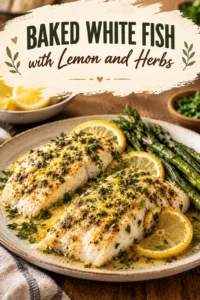
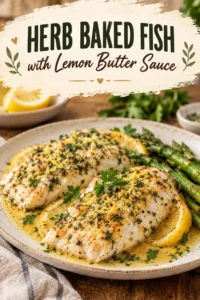
Plating the fish with a fresh wedge of lemon and a sprinkle of extra parsley makes the dish look professional and appetizing.
Storage and Leftovers |
Refrigerating
Store cooked fish in an airtight container in the refrigerator for up to 2 days. Ensure the fish is cooled slightly before sealing the lid to prevent excessive condensation from making the fish soggy.
Reheating
To reheat, place the fish in a covered dish with a teaspoon of water or butter. Heat in the oven at 275°F (135°C) for 10 to 12 minutes. Avoid the microwave, as it often overcooks the edges while leaving the center cold.
Freezing
It is not recommended to freeze this fish after it has been baked. The reheating process for cooked white fish often destroys the delicate texture, leaving it dry and tough.
Frequently Asked Questions |
- ●Q: Which type of white fish is best for this recipe?A: Cod and halibut are excellent choices because they hold their shape well during baking. Tilapia is a great budget-friendly option, though it is thinner and requires a shorter cooking time. Always choose the freshest fillets available to ensure a clean taste.
- ●Q: How do I know when the fish is perfectly cooked?A: The fish is done when the flesh changes from translucent to opaque and flakes easily when pressed with a fork. The internal temperature should reach 145°F (63°C). If the fish resists flaking, it needs another minute or two.
- ●Q: Can I use dried herbs instead of fresh?A: Yes, you can use dried herbs, but you must reduce the quantity. Use about one-third of the amount of dried herbs compared to fresh. Be aware that dried herbs have a more muted flavor and a different texture.
- ●Q: What should I do if my fish fillets are different thicknesses?A: You can slightly flatten thicker fillets with a meat mallet or a heavy pan to create a uniform thickness. Alternatively, remove the thinner fillets from the oven a few minutes early to prevent them from drying out.
- ●Q: Is it necessary to pat the fish dry?A: Yes, patting the fish dry is essential for a good result. Excess moisture on the surface creates steam, which prevents the oil and herbs from sticking to the fish and can lead to a soggy exterior.
Why This Recipe Belongs in Your Weekly Rotation |
Integrating a lean protein like white fish into your diet provides essential nutrients without the heaviness of red meats. This recipe simplifies the process, making it easy to eat healthy even when time is limited.
The versatility of the herb blend means you can adapt the flavor to fit any season. In the summer, lean into the lemon and parsley; in the winter, add a bit more garlic and butter for warmth.
Ultimately, this dish removes the intimidation factor from cooking seafood. Once you master the timing, you have a reliable, elegant meal that works for any occasion.
Final Thoughts |
Baked white fish with lemon and herbs is a streamlined dish that prioritizes fresh flavors and simple techniques. protein with aromatic herbs and citrus, you create a meal that is both light and satisfying.
Whether you are trying to eat more fish or simply need a dinner that takes less than 30 minutes, this recipe delivers. It proves that minimal ingredients can lead to impressive results when handled with care.
Gather your ingredients and bring a touch of brightness to your kitchen tonight.

Baked White Fish with Lemon and Herbs
- Prep Time: 10 minutes
- Cook Time: 15 minutes
- Total Time: 25 minutes
- Yield: 4 servings 1x
- Category: Dinner
- Method: Baking
- Cuisine: American
Description
A light and healthy baked white fish seasoned with fresh lemon, garlic, and a blend of parsley and dill. Perfect for a quick, nutrient-dense weeknight dinner.
Ingredients
- 4 white fish fillets (6 oz each), such as cod, halibut, or tilapia
- 2 tablespoons olive oil
- 2 cloves garlic, minced
- 1 tablespoon fresh parsley, finely chopped
- 1 tablespoon fresh dill, finely chopped
- 1 lemon (zested, juiced, and sliced into rounds)
- 1/2 teaspoon salt
- 1/4 teaspoon black pepper
Instructions
- Preheat oven to 400°F (200°C) and line a baking sheet with parchment paper.
- Pat the fish fillets dry with paper towels on both sides.
- In a small bowl, mix olive oil, minced garlic, chopped parsley, chopped dill, and lemon zest.
- Place fillets on the baking sheet and spread the herb mixture evenly over the top of each fillet.
- Season the fish with salt and black pepper.
- Place one or two lemon slices on top of each fillet.
- Bake for 12 to 15 minutes, or until the fish is opaque and flakes easily with a fork.
- Remove from oven, let rest for 2 minutes, and drizzle with fresh lemon juice before serving.